
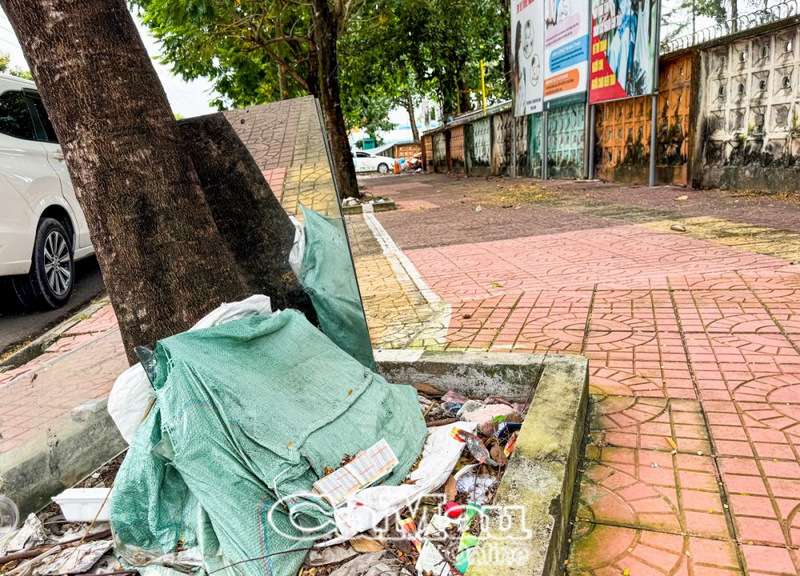
In many developing countries, proper glass waste collection has not received the attention it deserves. The cost of collection often depends on independent collectors, and many individuals, lacking awareness or a sense of responsibility, secretly dump broken glass and waste in public areas, hoping someone else will collect it without having to pay.

This practice poses serious dangers to public safety. Sharp fragments of glass left in public spaces can injure pedestrians or vehicles passing by. Broken glass is not biodegradable under normal conditions, and with low recycling rates, it has become a significant environmental challenge.
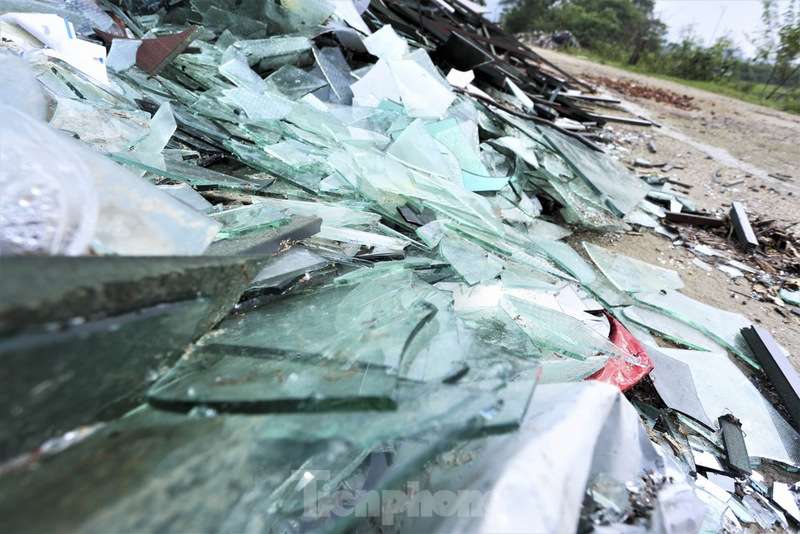
Hazards of Improper Glass Waste Disposal
- Public Safety Risks:
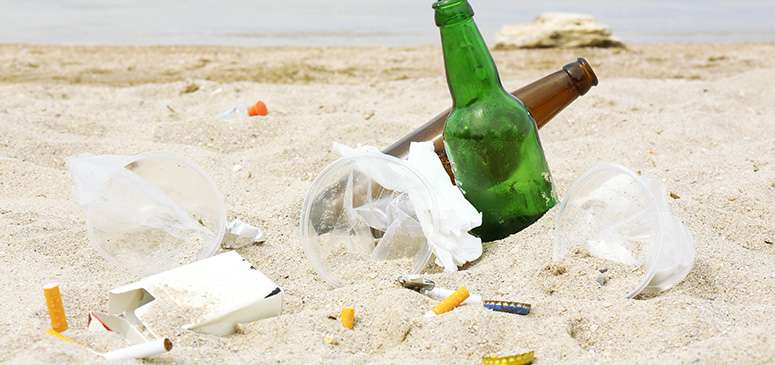
It is not uncommon to find piles of garbage along roadsides containing sharp glass shards and broken glass bottles. These hazardous pieces, often dumped in public spaces like sidewalks, under trees, or hidden in dense bushes, can easily cause injuries. - Environmental Impact:
Glass waste, if buried in the soil, does not decompose naturally. Over time, this waste accumulates and creates a lasting burden on the environment. Moreover, low demand for recycling glass compared to other materials makes its collection and transport costlier and more dangerous. - Urban Aesthetic Issues:
The prevalence of illegal dumping of glass waste tarnishes the beauty of cities. Broken glass in public areas diminishes urban aesthetics and highlights a lack of organized waste management systems.

A Call for Solutions
To address this growing issue, it is imperative to implement practical and sustainable solutions to restore the beauty of cities and ensure the safety of residents:
- Education and Awareness: Encourage residents to dispose of glass waste responsibly by understanding the dangers of improper disposal and the long-term environmental impact.
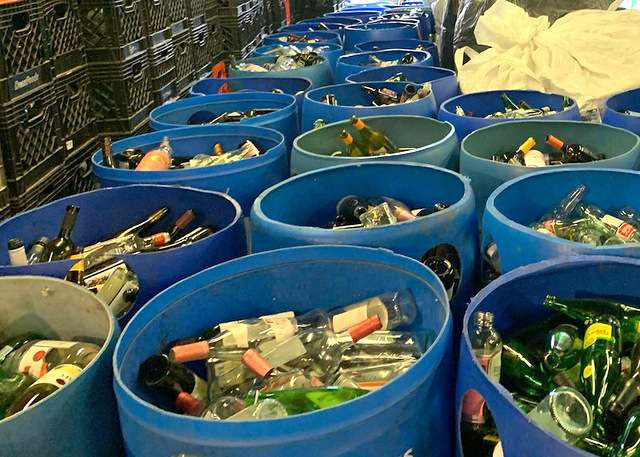
- Glass Crushing Machines: Introducing compact glass crushing machines can simplify the management of glass waste. These machines reduce the volume of glass by up to 80%, making collection and transport more efficient and less hazardous.
- Improved Collection Systems: Municipalities should implement accessible and affordable systems for collecting and recycling glass waste, minimizing illegal dumping practices.
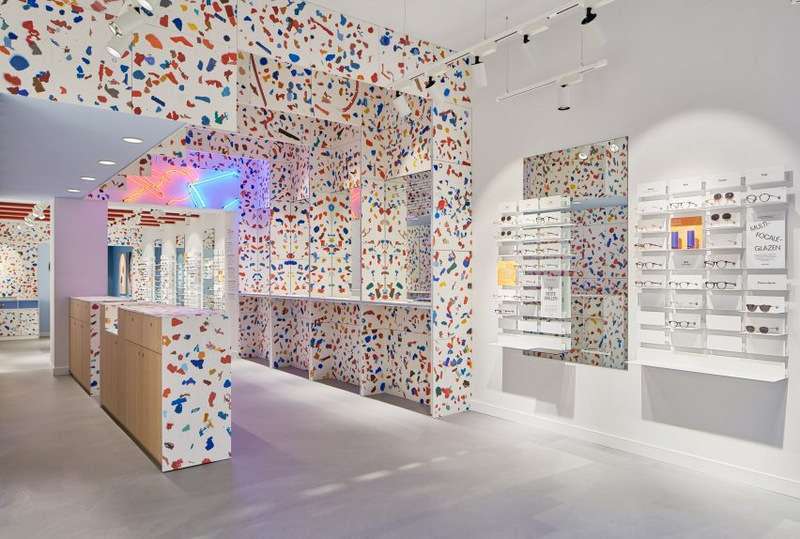
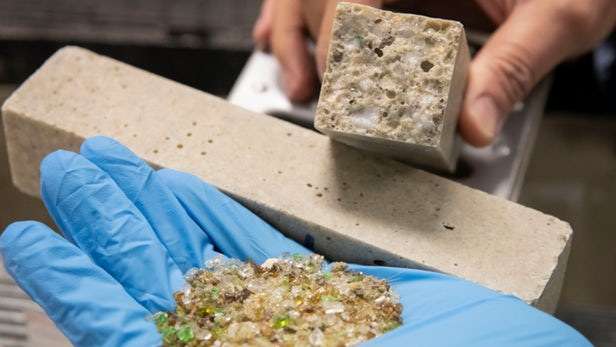
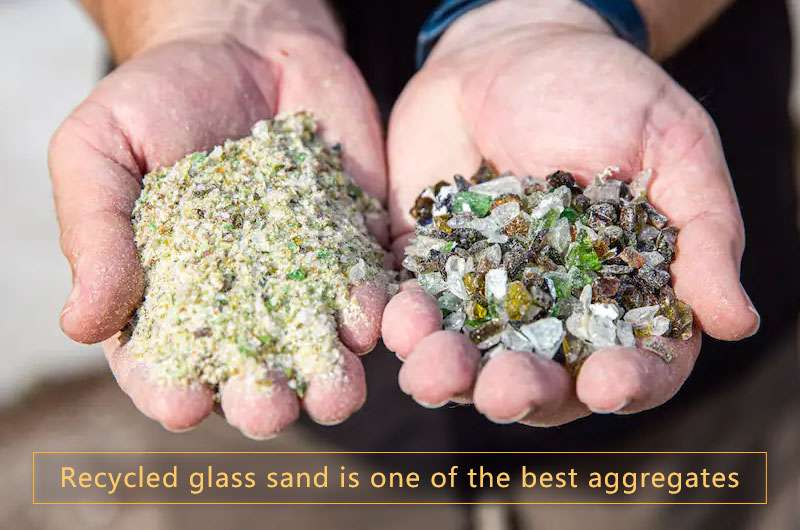
- Increased Recycling Opportunities: By crushing glass waste into reusable materials, it can be recycled into secondary products, such as construction materials or decorative items, reducing the burden on landfills.
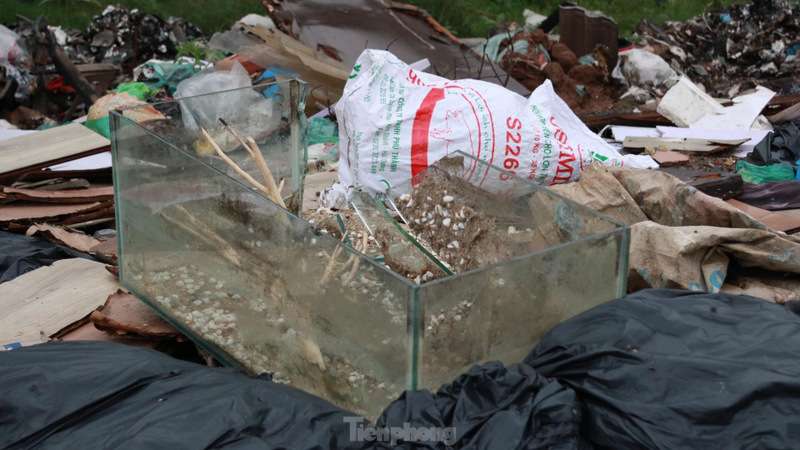
The growing glass waste problem is not just an environmental issue but a public safety concern. Implementing effective solutions will not only safeguard residents but also enhance the beauty of urban spaces, creating cleaner, safer, and more sustainable cities for future generations.










 EN
 VI