by Ngo Quoc Vinh Ngo Quoc Vinh 231 Comments

The Reality of Bottle Collection and Reuse by Beverage Companies: Not as High as We Think

While beverage companies often advertise their bottle collection and reuse programs, the reality is that the effectiveness of these programs has many limitations and does not reach the ideal level we often imagine. This article will analyze this situation in detail, point out the shortcomings, and propose some solutions.

Misconceptions about Bottle Reuse:

Many people believe that most beer and soft drink bottles are collected and reused many times, contributing to environmental protection. However, the reality is not quite so. Although bottle reuse is an important part of the companies’ sustainability strategy, the actual effectiveness is affected by many factors.

Limitations of Collection and Reuse Programs:

  1. Limited Collection Lifespan:

    • Companies often set a limit on the number of times bottles are reused, usually only 2-3 cycles. After this number of times, the quality of the bottles often decreases due to scratches, chips, or failure to meet hygiene standards, forcing companies to discard them.
    • This limitation also stems from requirements regarding image and branding. Companies want their products to always appear in the best condition; excessively old bottles will affect consumer perception.
  2. Strict Collection Criteria:

    • Companies often only collect intact bottles that are not cracked, chipped, or excessively scratched. This eliminates a large number of slightly damaged bottles, although they could still be recycled if handled properly.
    • Sorting and inspecting bottles is also time-consuming and labor-intensive, leading companies to prioritize collecting newer bottles.
  3. Low Consumer Awareness:

    • This is a crucial issue. The number of people actively bringing bottles back for return is still very low. Many people still have the habit of littering bottles indiscriminately, making collection and recycling difficult.
    • Some reasons for this situation:
      • Convenience: Discarding bottles is easier than keeping them and taking them back.
      • Low return value: The refund amount for each bottle is usually insignificant, not enough motivation for consumers.
      • Lack of collection points: The number of bottle collection points is limited, causing inconvenience for people.
      • Environmental awareness: Many people are not fully aware of the harmful effects of waste and the importance of recycling.
  4. The Fate of Discarded Bottles:

    • This is the most important question. After 2-3 uses, or when discarded due to damage, most bottles will go through the following paths:
      • Landfills: A large number of bottles are disposed of in landfills, causing environmental pollution and occupying space.
      • Scrap collection: Some are collected by scrap collectors. However, subsequent handling is often not strictly controlled, which can lead to secondary pollution.
      • Recycling (informal): Some small establishments may collect and recycle glass, but the technology is often outdated, causing environmental pollution and ensuring poor product quality.
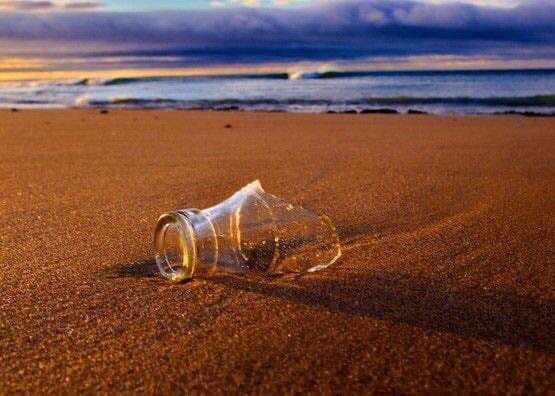
      • Floating in the environment: A significant number are littered indiscriminately, floating in the environment, causing danger and aesthetic degradation.

Solutions and Recommendations:

To improve the efficiency of bottle collection and reuse, there needs to be synchronized coordination between all parties:

  • Companies:
    • Need to improve the collection process, expand the network of collection points, increase the return value of bottles to encourage consumers.
    • Invest in advanced recycling technology to be able to recycle even slightly damaged bottles.
    • Research more environmentally friendly alternative materials.
  • The State:
    • Needs to have policies to support and encourage recycling, strictly control informal recycling activities, and severely handle polluting acts of littering.
    • Build an effective and synchronized waste management system.
  • Consumers:
    • Need to raise environmental awareness, actively sort and return bottles.
    • Support products from environmentally responsible businesses.

Conclusion:

The reality of bottle collection and reuse by beverage companies is not as high as we think. To achieve real efficiency, there needs to be a change from businesses, the state, and consumers. Only then can we minimize the negative impact on the environment and move towards a more sustainable circular economy.

by Ngo Quoc Vinh Ngo Quoc Vinh 143 Comments

The Current Situation and Solutions for Glass Waste

The issue of glass waste is becoming increasingly urgent in Vietnam. Although glass is recyclable, the reality is that this process is not carried out effectively and thoroughly, leading to serious consequences for the environment and society. This article will analyze the current state of glass recycling, the negative impacts of glass waste, and propose some feasible solutions.

The Current State of Glass Recycling in Vietnam:

One of the biggest problems is that glass recycling is not truly “meaningful.” Instead of being completely transformed back into its original raw material (sand), glass is often recycled into secondary products. For example, broken glass is sorted by color and melted down to create new bottles or building materials. However, the lifespan of these products is not infinite. They will also be damaged, broken, or outdated and become waste. Repeated recycling can reduce the quality of the glass, making it unsuitable for high-end products.

The reuse of beer bottles is a form of direct recycling, but the number of reuses is also limited (usually 2-3 times). After that, these bottles will also be discarded due to scratches, chips, or failure to meet hygiene standards. Their fate is often to be crushed for recycling into new glass or to be discharged into the environment.

In particular, food containers such as wine, cooking oil, chili sauce, pickled food, etc., are very difficult to recycle effectively due to impurities and different chemical compositions. Porcelain and ceramics are also almost never recycled due to different manufacturing processes compared to glass.

Negative Impacts of Glass Waste:

Glass waste causes many negative impacts on the environment and society:

  • Environmental pollution: Glass does not biodegrade, persisting for thousands of years in the environment, occupying landfill space and causing urban aesthetic degradation. Additives in glass can leak, polluting soil and water sources.
  • Danger to humans: Broken glass causes injuries, especially to children and workers in the waste collection industry.
  • Impact on agriculture: Glass waste reduces arable land area and makes cultivation difficult.
  • Environment for bacteria: Discarded food containers are an ideal environment for bacteria to grow, posing a risk of spreading disease.
  • High treatment costs: The collection, transportation, and treatment of glass waste require significant costs.

Solutions and Recommendations:

To solve the glass waste problem effectively, there needs to be synchronized solutions and the joint effort of the whole society:

  • Crushing glass: Crushing glass into sand or glass powder is a viable solution, especially for difficult-to-recycle glass. Glass sand can be used in construction, as landfill material, or in agriculture.
  • Raising community awareness: Strengthen communication and education about the harmful effects of glass waste and the importance of sorting and recycling.
  • Improving the waste collection and sorting system: Build a specialized waste collection and sorting system for glass, creating favorable conditions for recycling.
  • Investing in recycling technology: Invest in advanced recycling technology to improve the efficiency and quality of glass recycling.
  • Encouraging reuse: Encourage people and businesses to reuse glass containers when possible.
  • Supporting policies: The state needs to have policies to support glass recycling enterprises and encourage the use of products made from recycled glass.
  • Researching and applying new solutions: Research and apply advanced glass waste treatment solutions in the world, such as using glass sand to build roads.

Conclusion:

The glass waste problem in Vietnam is a significant challenge, but it can be solved with the concern and decisive action from all levels of government, businesses, and the community. Applying synchronized solutions, from raising community awareness to investing in recycling technology, will contribute to minimizing the negative impacts of glass waste and building a more sustainable living environment.

by Ngo Quoc Vinh Ngo Quoc Vinh 1,539 Comments

The Magical Glass Beach of Morizono Park: Turning Waste into Wonder

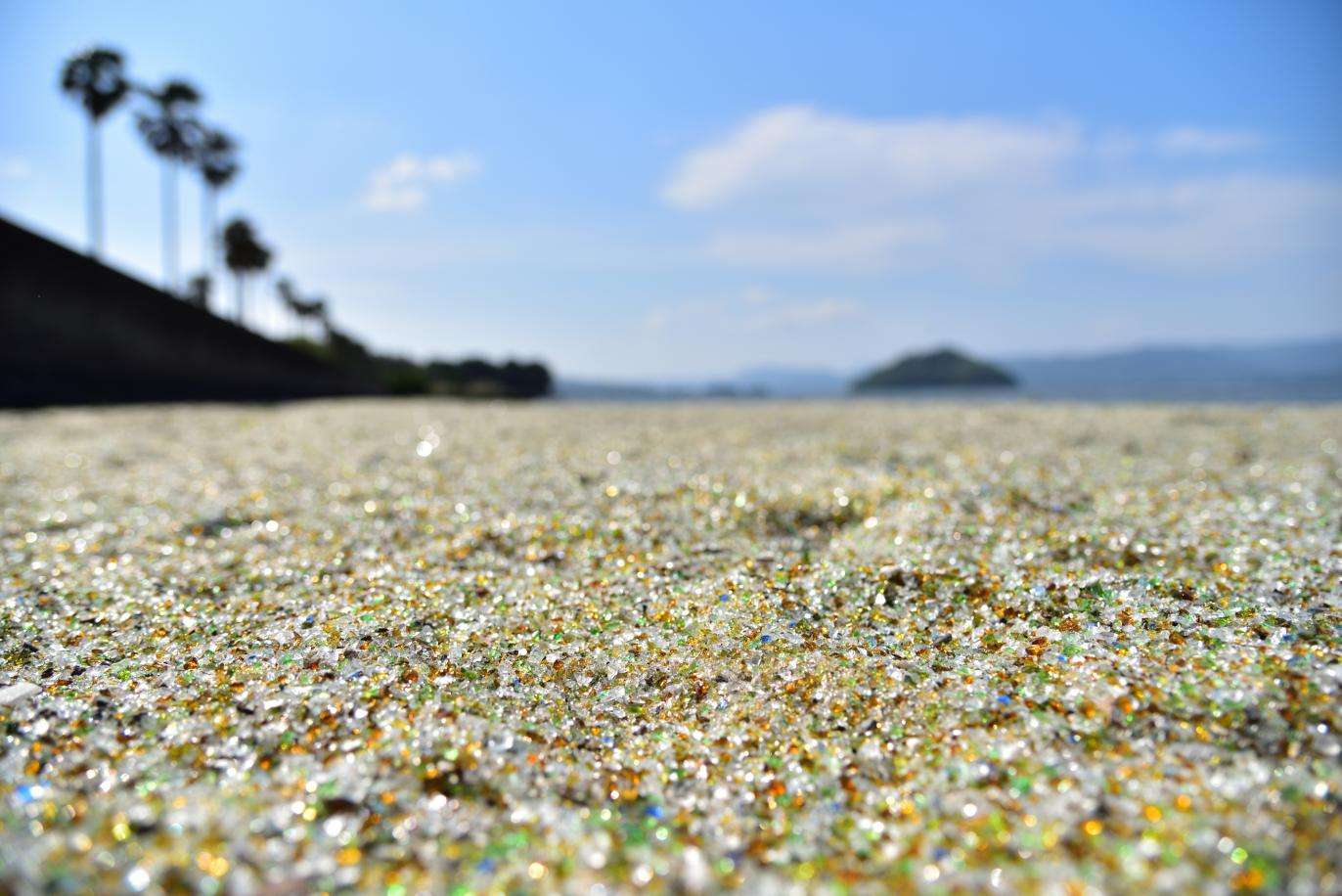
Have you ever imagined a beach shimmering with tiny, colorful glass pebbles under the sun, like a scene from a fantasy novel? In Japan, such a place exists! The Glass Beach at Morizono Park in Omura City, Nagasaki Prefecture, is a breathtaking example of environmental innovation and creativity, transforming recycled glass into a unique and magical tourist destination.

From Waste to Art: The Story Behind the Glass Beach

Morizono Park’s Glass Beach is a result of Japan’s commitment to recycling and environmental sustainability. Broken glass, which might otherwise end up in landfills or as litter, is repurposed through a meticulous process. The glass is cleaned, crushed, and tumbled to form smooth, pebble-like fragments that pose no harm to visitors. These glistening glass pebbles are then spread across the beach, creating a mosaic of sparkling colors that changes with the sunlight and tides.

The project began as part of a broader effort to promote environmental education and awareness. By turning waste into beauty, the Glass Beach serves as a reminder of the potential to repurpose and recycle waste creatively.


A Unique Tourist Attraction

The Glass Beach offers a tranquil escape with its stunning view of Omura Bay, a calm, picturesque body of water known for its serene beauty. The colorful glass shore adds an ethereal touch to the natural landscape, making it a favorite spot for photography enthusiasts and nature lovers alike.

Families often flock to the park for picnics and barbecues on the nearby grassy fields, while children are delighted by the magical appearance of the rainbow-like beach. Visitors can walk safely on the glass, feeling its smooth surface underfoot, adding a sensory experience to the visual spectacle.

Inspiring Global Environmental Initiatives

The success of Morizono Park’s Glass Beach has inspired similar initiatives worldwide. For example:

  • Glass Beach in Fort Bragg, California, USA: A former dumping ground transformed into a scenic beach covered with sea-polished glass.
  • Ussuri Bay, Russia: Known as the “Glass Bay,” it features a coastline brimming with vibrant glass pebbles created through years of wave action.

Each of these locations highlights how creative recycling can turn an environmental problem into an asset for local communities.

The Broader Impact of Glass Recycling

Glass is one of the most recyclable materials, capable of being repurposed indefinitely without losing quality. However, the global glass recycling rate remains low due to collection challenges and high processing costs. Initiatives like Morizono Park demonstrate how innovative uses of recycled materials can raise awareness and inspire action.

By turning waste glass into a tourist attraction, the Glass Beach not only reduces environmental waste but also boosts local tourism, benefiting the economy. It exemplifies the intersection of sustainability and creativity, offering a model for other communities to emulate.

Planning Your Visit

If you’re planning a trip to Nagasaki, make sure to include Morizono Park on your itinerary. Here are some tips to enhance your visit:

  1. Timing: Visit during sunrise or sunset for the most stunning light effects on the glass.
  2. Activities: Bring a picnic, barbecue supplies, or simply a good book to enjoy the serene environment.
  3. Photography: Don’t forget your camera to capture the dazzling interplay of light and color.
  4. Learn: Take time to read about the park’s recycling efforts and how the beach was created.

A Vision for a Sustainable Future

The Glass Beach at Morizono Park is more than just a beautiful destination—it’s a symbol of what can be achieved when creativity meets environmental responsibility. It encourages us to think beyond conventional waste management, envisioning new ways to repurpose materials and redefine what we consider “waste.”

Next time you encounter an empty glass bottle, think of the shimmering shores of Morizono Park. Who knows? It might inspire you to create something magical in your own corner of the world.

Let’s turn waste into wonder—one piece of glass at a time.

by Ngo Quoc Vinh Ngo Quoc Vinh 1,312 Comments

Effective Solutions for Handling Glass Waste as Glass Replaces Plastics on Supermarket Shelves

Recycling glass presents many challenges due to the need for uniformity in color and material. Different glass products, such as bottles and broken glass, never have the same color. Therefore, the cost and effort of sorting are very high, resulting in 85% of glass waste not being recycled and instead being disposed of in the environment. This poses a significant environmental risk.

Risks of Unrecycled Glass Waste

  1. Environmental Pollution: Food residues in unwashed glass bottles provide an ideal environment for microorganisms to thrive, causing pollution to the environment, soil, and air.
  2. Injury Hazards: Large pieces of broken glass pose a danger not only to humans but also to animals.
  3. Soil Degradation: When buried, glass reduces soil quality, affecting agricultural production.
  4. High Energy Consumption When Incinerated: Burning glass waste consumes a lot of energy and doesn’t completely resolve the issue, as glass just clumps into non-degradable lumps.

Approaches to Handling Glass Waste

  1. Grinding Glass into Small Particles: Some countries have adopted the method of grinding glass into small particles and placing them in deserted coastal areas where ocean waves will erode them back into harmless sand. This is an economically efficient and environmentally friendly method.
  2. Rinsing Glass Bottles Before Disposal: In developed countries, glass waste collection requires rinsing glass bottles clean before disposal. This ensures cleaner glass when ground and makes the recycling process more efficient.
  3. Removing Metal from Glass: For example, in some states in Germany, residents are required to remove any metal from glass and dispose of the metal in metal collection bins, while the glass is placed in color-matched glass bins. This makes recycling more efficient but also creates the need for many bins and makes initial waste sorting cumbersome for citizens.

Morizono-cho, Omura-shi – Japan

Current Usage of Glass

Most high-end products and those requiring good preservation use glass. Therefore, more and more glass is being used, gradually replacing plastic. This leads to an increasing amount of glass waste, which may become a major problem in the near future.

Although there are concerns that leftover food in glass will cause pollution, this food residue is usually minimal. When glass is ground and directly exposed to sunlight, rain, wind, and ocean waves, the food decomposes like ordinary food waste, thus it is not a significant concern.

Conclusion

Managing glass waste is a significant issue, but with advanced and effective methods, we can reduce its negative impact on the environment. Notably, grinding glass into small particles and using natural forces to return it to harmless sand is the most effective solution. Let’s join hands to implement reasonable glass waste management measures to protect a green and clean environment for future generations.

by Ngo Quoc Vinh Ngo Quoc Vinh 248 Comments

Glass Recycling in Vietnam: Challenges and Opportunities

Glass Waste Lasts Forever, But Only 15% Is Recycled

Glass waste is one of the most environmentally persistent materials, yet in Vietnam, only 15% of it is recycled. This was the key takeaway from the seminar titled “Glass Recycling in Vietnam,” hosted by the Southeast Asia Institute of Environmental Economics on January 15.

A Permanent Environmental Issue

Speaking at the event, Mr. Mai Thanh Dung, Deputy Director of the Institute of Strategy and Policy on Natural Resources and Environment (Ministry of Natural Resources and Environment), emphasized the gravity of the issue:

“Glass waste is permanent; if it is not recycled, it will remain in the environment indefinitely. Therefore, more attention must be given to glass recycling,” he said.

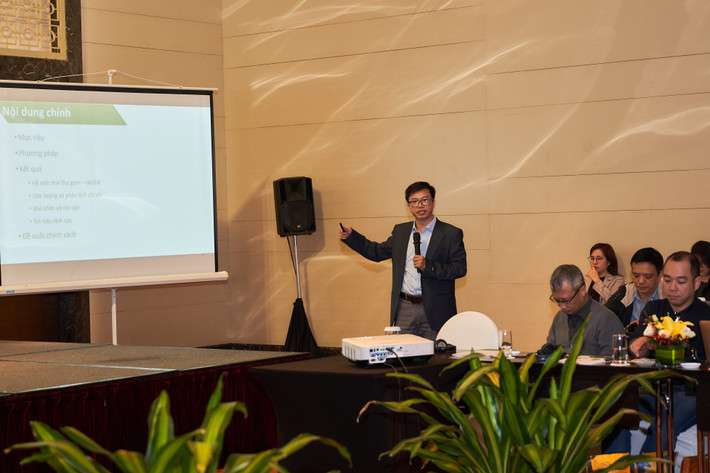
Mr. Mai Thanh Dung, Deputy Director of the Institute of Strategy and Policy on Natural Resources and Environment, spoke at the seminar.

Glass makes up 4% of the total solid urban waste in Vietnam, while organic waste accounts for 67%. Despite its recyclability, the rate of glass recycling remains the lowest among packaging materials. For instance, while aluminum cans boast a recycling rate of over 70% and plastic bottles achieve rates of 32-45%, glass lags far behind at just 15%.

Barriers to Recycling Glass

According to Mr. Hồ Đức Thông, a representative from the Southeast Asia Institute of Environmental Economics, several factors contribute to the low recycling rate:

  • Insufficient Infrastructure: Vietnam lacks a comprehensive collection system for glass waste. There are few dedicated recycling bins, and much of the waste is improperly disposed of.
  • Low Market Demand: A survey found that only 6% of scrap collection businesses purchase used glass bottles. This low demand provides little incentive for collectors and scavengers to gather glass waste.
  • High Collection Costs: The cost of collecting glass waste is often higher than importing recycled glass materials. For instance, local clear glass scrap costs between 2,250–2,500 VND/kg, while imported clear glass scrap costs only 1,800–2,100 VND/kg. This makes importing a more attractive option for large-scale manufacturers.

Mr. Hồ Đức Thông, from the Southeast Asia Institute of Environmental Economics, presented the report “Glass Recycling in Vietnam: Challenges and Policy Recommendations.”

Proposed Solutions

For the Government:

  1. Promote Eco-Friendly Design: Develop policies to encourage the design of sustainable glass packaging, such as colorless glass and recyclable labels.
  2. Set Minimum Recycled Content Requirements: Mandate that a certain percentage of packaging materials must come from recycled inputs.
  3. Introduce Extended Producer Responsibility (EPR): From January 2024, producers must take more responsibility for the lifecycle of their products, including waste collection and recycling.

For Businesses:

  1. Establish Centralized Collection Systems: Companies could create collection points at major retailers, bars, and restaurants to gather used glass.
  2. Leverage Existing Recycling Networks: Encourage waste collectors and recyclers already handling aluminum, plastic, and paper to also include glass in their operations.
  3. CSR and Environmental Funds: Businesses can integrate glass recycling into their corporate social responsibility (CSR) initiatives, improving waste management and supporting disadvantaged waste workers.

The delegates engaged in discussions at the seminar.

For the Public:

Education campaigns can encourage people to sort glass waste at the source, making collection and recycling more efficient.

A Way Forward

Although glass waste recycling in Vietnam faces significant challenges, experts believe these can be overcome with better infrastructure, stronger policies, and active collaboration among stakeholders. Both businesses and the government must play their parts in creating a sustainable recycling system that minimizes environmental harm and promotes circularity.

The seminar concluded with a call for further pilot programs to test and refine solutions, ensuring they are practical and effective in Vietnam’s unique context.

Source: Thủy tinh tồn tại vĩnh viễn nhưng tỷ lệ tái chế chỉ đạt 15% | Báo Đại biểu Nhân dân