Have you ever imagined a beach shimmering with tiny, colorful glass pebbles under the sun, like a scene from a fantasy novel? In Japan, such a place exists! The Glass Beach at Morizono Park in Omura City, Nagasaki Prefecture, is a breathtaking example of environmental innovation and creativity, transforming recycled glass into a unique and magical tourist destination.
From Waste to Art: The Story Behind the Glass Beach
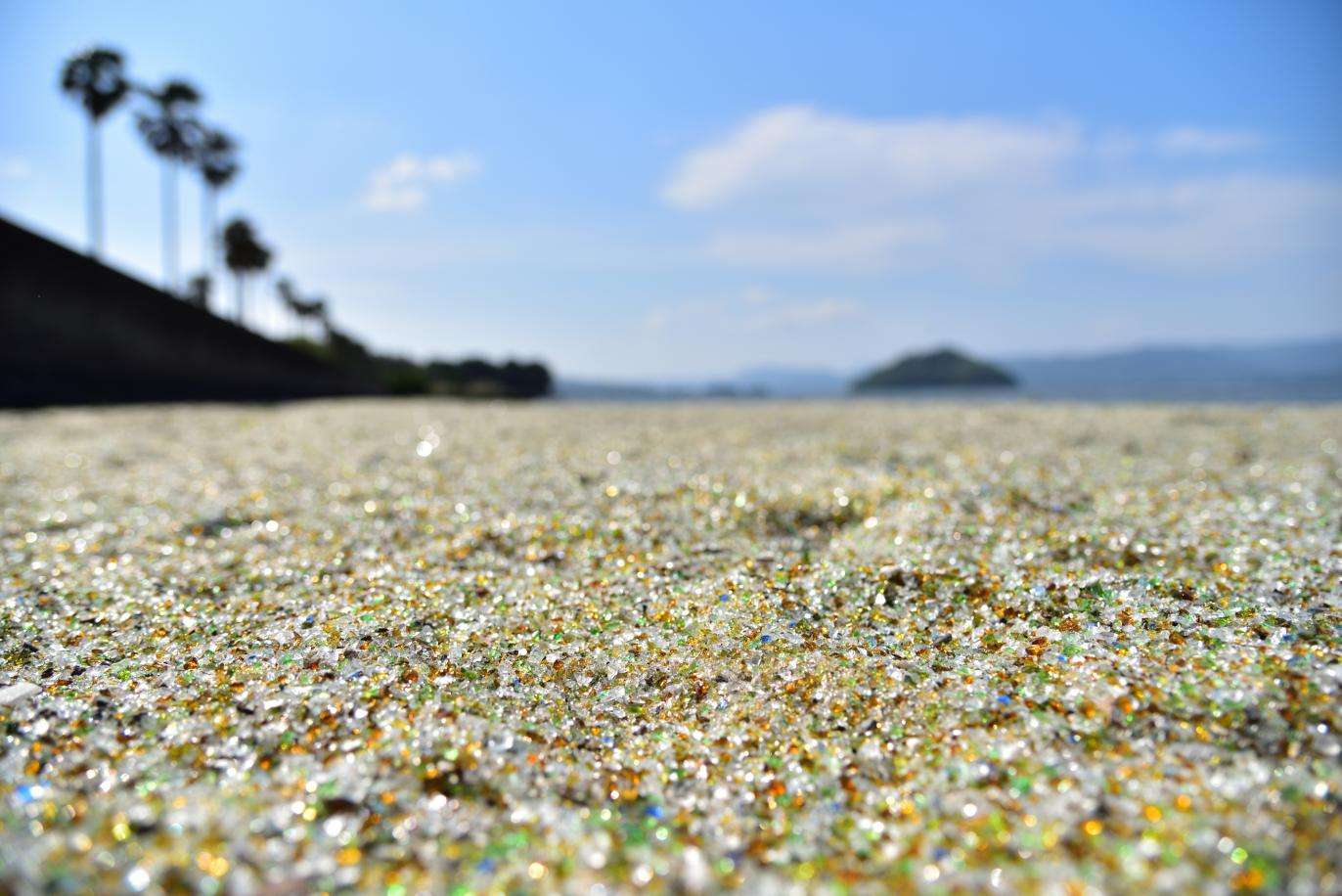
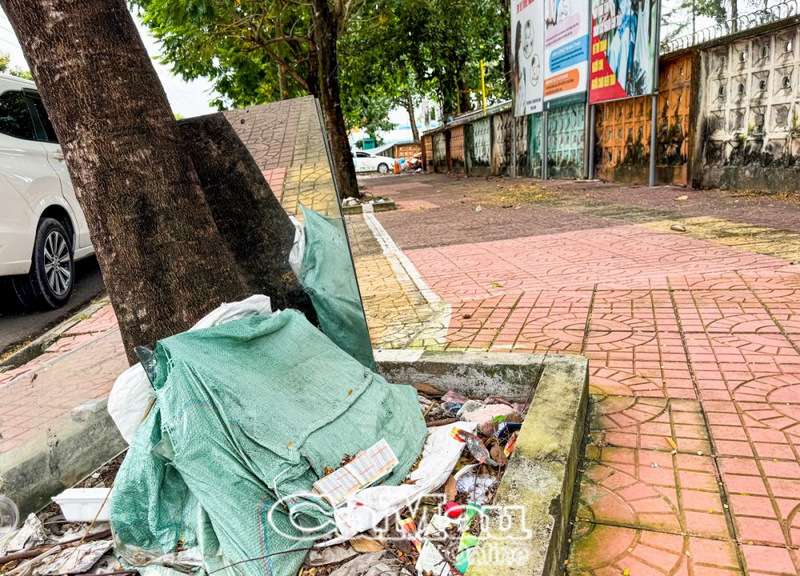
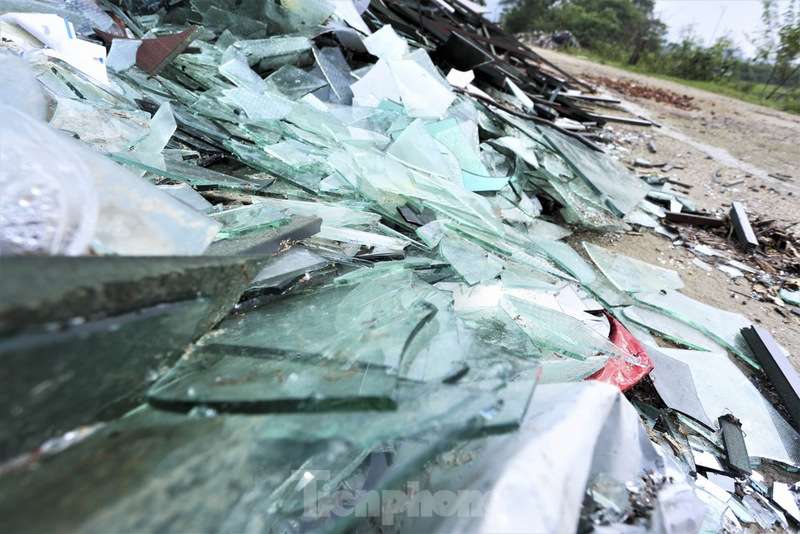
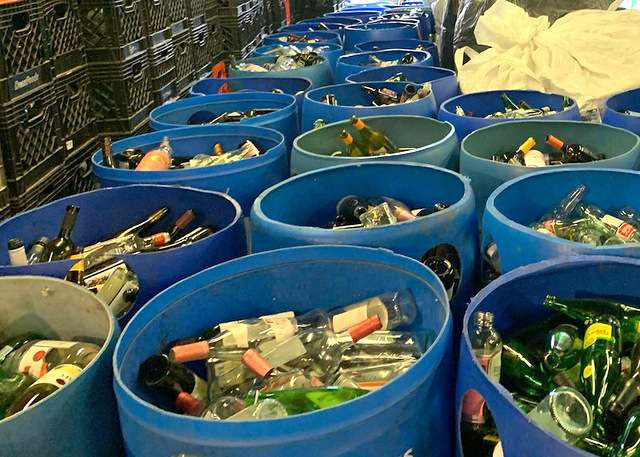
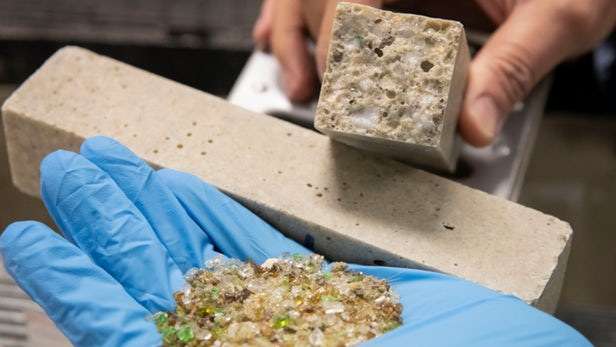
Morizono Park’s Glass Beach is a result of Japan’s commitment to recycling and environmental sustainability. Broken glass, which might otherwise end up in landfills or as litter, is repurposed through a meticulous process. The glass is cleaned, crushed, and tumbled to form smooth, pebble-like fragments that pose no harm to visitors. These glistening glass pebbles are then spread across the beach, creating a mosaic of sparkling colors that changes with the sunlight and tides.
The project began as part of a broader effort to promote environmental education and awareness. By turning waste into beauty, the Glass Beach serves as a reminder of the potential to repurpose and recycle waste creatively.

A Unique Tourist Attraction
The Glass Beach offers a tranquil escape with its stunning view of Omura Bay, a calm, picturesque body of water known for its serene beauty. The colorful glass shore adds an ethereal touch to the natural landscape, making it a favorite spot for photography enthusiasts and nature lovers alike.
Families often flock to the park for picnics and barbecues on the nearby grassy fields, while children are delighted by the magical appearance of the rainbow-like beach. Visitors can walk safely on the glass, feeling its smooth surface underfoot, adding a sensory experience to the visual spectacle.

Inspiring Global Environmental Initiatives
The success of Morizono Park’s Glass Beach has inspired similar initiatives worldwide. For example:
- Glass Beach in Fort Bragg, California, USA: A former dumping ground transformed into a scenic beach covered with sea-polished glass.
- Ussuri Bay, Russia: Known as the “Glass Bay,” it features a coastline brimming with vibrant glass pebbles created through years of wave action.
Each of these locations highlights how creative recycling can turn an environmental problem into an asset for local communities.

The Broader Impact of Glass Recycling
Glass is one of the most recyclable materials, capable of being repurposed indefinitely without losing quality. However, the global glass recycling rate remains low due to collection challenges and high processing costs. Initiatives like Morizono Park demonstrate how innovative uses of recycled materials can raise awareness and inspire action.
By turning waste glass into a tourist attraction, the Glass Beach not only reduces environmental waste but also boosts local tourism, benefiting the economy. It exemplifies the intersection of sustainability and creativity, offering a model for other communities to emulate.
Planning Your Visit
If you’re planning a trip to Nagasaki, make sure to include Morizono Park on your itinerary. Here are some tips to enhance your visit:
- Timing: Visit during sunrise or sunset for the most stunning light effects on the glass.
- Activities: Bring a picnic, barbecue supplies, or simply a good book to enjoy the serene environment.
- Photography: Don’t forget your camera to capture the dazzling interplay of light and color.
- Learn: Take time to read about the park’s recycling efforts and how the beach was created.
A Vision for a Sustainable Future
The Glass Beach at Morizono Park is more than just a beautiful destination—it’s a symbol of what can be achieved when creativity meets environmental responsibility. It encourages us to think beyond conventional waste management, envisioning new ways to repurpose materials and redefine what we consider “waste.”
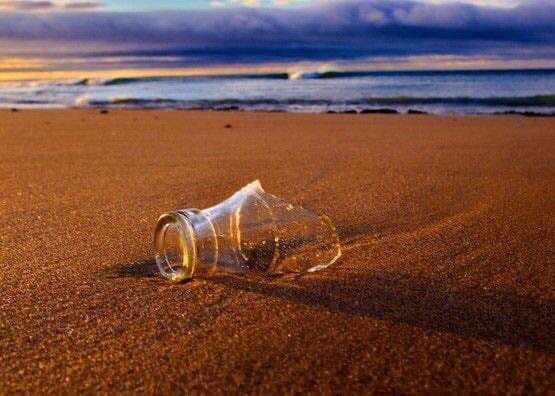
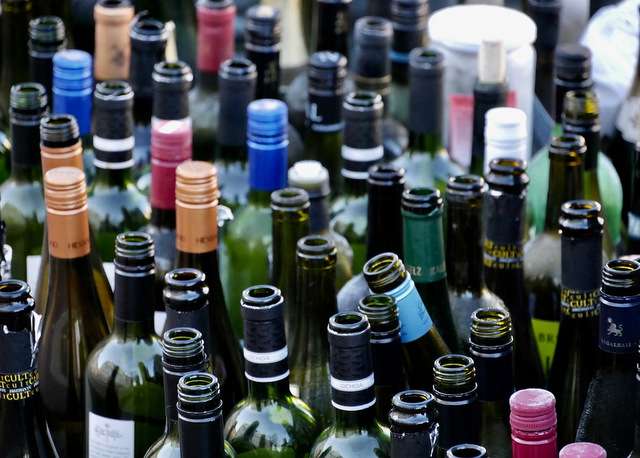
Next time you encounter an empty glass bottle, think of the shimmering shores of Morizono Park. Who knows? It might inspire you to create something magical in your own corner of the world.
Let’s turn waste into wonder—one piece of glass at a time.














 EN
 VI