by Ngo Quoc Vinh Ngo Quoc Vinh 180 Comments

Transforming Glass Waste into Decorative Glass Products: A Sustainable Solution

Glass bottles and jars are a significant portion of urban waste, but they hold immense potential for reuse and recycling. Instead of letting these materials end up in landfills, glass waste can be repurposed into beautiful and functional items such as glass tiles and decorative products. With the integration of compact glass crushing machines into restaurants, supermarkets, and apartment complexes, the process of collecting and recycling glass waste becomes much simpler, efficient, and eco-friendly.


Revolutionizing Glass Waste Management with Crushing Machines

Empty glass bottles and jars take up substantial storage space due to their shape and volume. Transporting them for recycling requires multiple collection trips, wasting time, fuel, and labor. However, by deploying glass crushing machines at key locations like restaurants, supermarkets, and residential buildings, these issues can be drastically reduced.

The crushing machine reduces glass waste volume by up to 80%, transforming it into small, manageable pieces. This means that instead of running five collection trips, cities can consolidate their glass waste into a single trip, saving both time and resources. These crushed glass fragments are easy to transport, store, and prepare for further recycling processes.


Recycling Crushed Glass into Decorative Products

Once the crushed glass is collected, it can be processed into stunning decorative items such as glass tiles. Here’s how the process works:

  1. Cleaning and Sorting:
    The crushed glass is cleaned to remove any residual food, liquids, or labels. Sorting ensures that only suitable glass materials proceed to the next stage.
  2. Melting and Molding:
    The cleaned glass fragments are melted at high temperatures and poured into molds to create a variety of products, such as tiles, bricks, or even artistic decorations.
  3. Cooling and Finishing:
    After cooling, the newly formed glass products are polished and finished, ready to be used in construction or interior design projects.

Glass tiles made from recycled bottles are not only visually appealing but also highly durable and sustainable, making them a popular choice for modern design applications.


Benefits of Placing Crushing Machines in Urban Areas

Integrating glass crushing machines into urban waste management systems offers numerous advantages:

  • Efficient Collection:
    Crushed glass takes up significantly less space, reducing the frequency of collection trips and lowering transportation costs.
  • Eco-Friendly Recycling:
    By transforming glass waste into new products, cities can reduce landfill usage and promote a circular economy.
  • Cleaner Urban Areas:
    Restaurants, supermarkets, and apartments equipped with glass crushing machines maintain cleaner waste disposal areas, contributing to a healthier and more organized environment.
  • Cost and Energy Savings:
    Recycling crushed glass into decorative products requires less energy compared to creating glass from raw materials, reducing the environmental impact of production.

A Vision for Sustainable Urban Recycling

By incorporating glass crushing machines into urban infrastructure, cities can revolutionize their approach to glass waste management. These machines simplify the process of collecting and recycling glass, turning it into a valuable resource for creating sustainable and aesthetically pleasing products like glass tiles.

This initiative not only helps reduce waste and improve urban efficiency but also supports the global push toward sustainability by giving discarded materials a second life. With compact crushing machines, we can create a cleaner, greener future, one crushed bottle at a time.

by Ngo Quoc Vinh Ngo Quoc Vinh 217 Comments

Transforming Waste Management in Beach Resorts and Island Destinations with Glass Crushing Machines

Beach resorts and island destinations are often synonymous with relaxation, luxury, and stunning natural beauty. However, these remote locations face unique challenges when it comes to waste management, particularly with used glass bottles, jars, and broken glassware. Recycling waste is difficult and costly as it often involves transporting it back to the mainland for processing.

Fortunately, the glass crushing machine from [Your Company Name] offers a sustainable and practical solution to address these challenges, enabling resorts and islands to manage their glass waste efficiently while protecting the environment.


The Problem of Glass Waste in Remote Locations

Beach resorts and islands generate significant amounts of glass waste daily, from beverage bottles to jars and broken glasses. This waste accumulates quickly, taking up valuable storage space and posing safety risks for workers and guests. Due to the remote locations of these destinations, recycling programs are often limited or nonexistent, making it even harder to manage waste sustainably.

Transporting waste offsite for recycling requires fuel, logistics, and time, which increases costs and environmental impact. In many cases, glass waste is left to accumulate in unsightly piles, creating environmental hazards and detracting from the natural beauty of these locations.


How the Glass Crushing Machine Solves the Problem

The glass crushing machine provides a simple, compact, and highly effective solution for resorts and islands to manage glass waste on-site. Here’s how it works and why it’s a game-changer:

  1. Crushing Glass into Harmless Sand-like Pieces:
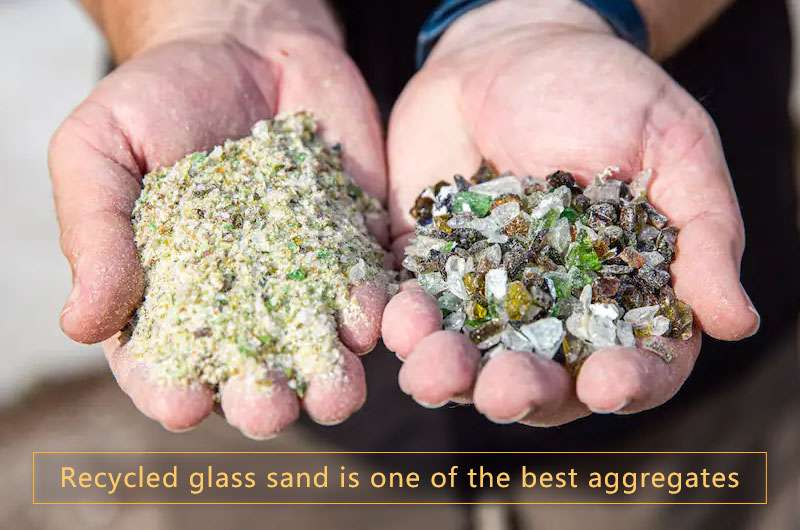
    The machine crushes used glass bottles, jars, and even broken glassware into small, smooth particles resembling sand. These harmless fragments are safe to handle and can be scattered directly into the environment without causing harm.
  2. Handles Leftover Food or Liquid Easily:
    Glass bottles often contain leftover beverages, sauces, or food residues. The machine is designed to handle these without any issues. The leftover materials on the crushed glass fragments break down naturally in the environment, just like food waste from our daily meals. This eliminates the need for cleaning the bottles before crushing.
  3. Space-Saving and Cost-Effective:
    By reducing glass waste to small, compact particles, the machine saves significant storage space and eliminates the need for transporting bulky waste off the island or resort. This not only cuts costs but also reduces the environmental impact of shipping waste to mainland recycling facilities.
  4. Durable and Easy to Use:
    The machine is designed to operate reliably in challenging environments, with minimal maintenance required. Its user-friendly interface ensures that resort staff can operate it safely and efficiently.


Benefits for Beach Resorts and Island Communities

Implementing a glass crushing machine offers numerous benefits for resorts and island destinations:

  • Eco-Friendly Waste Disposal:
    The crushed glass can be safely scattered in designated areas, blending naturally into the environment. This eliminates the need for waste transportation and aligns with sustainable tourism practices.
  • Cleaner and Safer Spaces:
    By crushing glass into harmless pieces, the machine reduces the risk of sharp shards injuring workers, guests, or wildlife. It also ensures that waste areas remain clean and organized.
  • Enhanced Guest Experience:
    A cleaner, more sustainable environment reflects positively on the resort’s commitment to preserving natural beauty, enhancing guests’ experience and satisfaction.
  • Reduced Environmental Footprint:
    With no need to transport waste offsite, resorts and islands reduce their carbon footprint, contributing to a greener and more sustainable future.


A Sustainable Future for Coastal Destinations

With the glass crushing machine, beach resorts and islands no longer have to struggle with the challenges of glass waste management. This innovative solution transforms waste into harmless materials that can be safely disposed of on-site, freeing up resources and protecting the pristine natural beauty of these locations.

As the world moves toward more sustainable practices, adopting efficient and eco-friendly solutions like the glass crushing machine is not just an option but a necessity. Resorts and island destinations that invest in this technology can lead the way in sustainable tourism, ensuring that their operations align with environmental conservation and the well-being of their guests.

By turning glass waste into a harmless, natural form, [Your Company Name] is helping resorts and islands preserve the beauty of their surroundings while tackling waste management challenges with ease.

by Ngo Quoc Vinh Ngo Quoc Vinh 203 Comments

Revolutionizing Waste Management on Ships: Glass Crushing Machines for the Maritime Industry

In the maritime industry, managing waste efficiently is crucial. Ships are limited by space and resources, and the disposal of waste, especially glass bottles, presents significant challenges. Traditionally, these bottles are collected and stored on board until the ship returns to shore, where they are either discarded or recycled. However, this process takes up valuable space and increases the environmental footprint of the vessel.

But what if there was a more sustainable and efficient way to handle glass waste while at sea?

Introducing the compact glass crushing machine from [Your Company Name], a revolutionary solution designed specifically for the maritime industry. This innovative machine allows ships to crush glass bottles into small, sand-like particles, reducing the volume of waste and eliminating the need to transport glass bottles back to land.


The Need for a Better Solution in the Maritime Industry

Onboard a ship, space is limited, and waste management can quickly become overwhelming. Glass bottles, used for beverages, cleaning products, and food packaging, are a common type of waste generated. Without an efficient disposal method, these bottles take up valuable storage space, creating an unnecessary burden for crew members and leading to overcrowded storage rooms.

Transporting glass waste back to land can also be costly, requiring additional fuel and resources for disposal. Furthermore, glass waste on ships, if not handled properly, poses risks to safety, especially when bottles break or create sharp fragments.


How Our Compact Glass Crushing Machine Works on Ships

Our compact glass crushing machine is designed to tackle these challenges head-on, providing ships with a sustainable, cost-effective, and space-saving solution. Here’s how it works:

  1. Crushing Glass into Sand-like Particles: The machine is equipped with an advanced jaw crushing mechanism that crushes glass bottles into small, smooth pieces resembling sand. The crushing process is quiet, efficient, and produces no harmful dust, ensuring a safe environment for the crew.
  2. Compact and Space-Efficient: The machine is compact in design, making it ideal for limited spaces on ships. It takes up minimal room and can easily be installed in designated waste management areas.
  3. Environmentally Friendly Disposal: Once the glass is crushed into fine particles, it can be safely disposed of at sea. These small, sand-like pieces are harmless to marine life and blend seamlessly into the ocean, minimizing the environmental impact. The process significantly reduces the amount of waste that needs to be brought back to shore, helping ships maintain a cleaner and more efficient waste management system.
  4. Minimal Maintenance: The machine is built with durable materials that require little maintenance, even in the harsh marine environment. It can withstand the salt, humidity, and wear of life on a ship, providing a reliable solution for glass waste disposal.

The Environmental and Operational Benefits

By implementing the glass crushing machine on ships, maritime operators can enjoy several key benefits:

  • Space Saving: The machine reduces the volume of glass waste by up to 80%, freeing up valuable space onboard and reducing clutter.
  • Cost Savings: Ships no longer need to transport glass bottles back to shore for disposal, reducing fuel consumption and lowering waste management costs.
  • Eco-friendly: The crushed glass is transformed into small particles that can be safely scattered into the ocean, reducing the environmental burden of transporting waste.
  • Safety: The crushing process eliminates sharp glass shards, reducing the risk of injury to crew members handling waste.

A Sustainable Solution for the Future of Maritime Waste Management

As the world moves toward more sustainable practices, adopting innovative solutions like our glass crushing machine is essential for the maritime industry. By crushing glass waste onboard and disposing of it safely, ships can minimize their environmental impact and operate more efficiently, contributing to the global effort for a cleaner, greener planet.

For ship operators, the compact glass crushing machine offers a practical, cost-effective, and environmentally responsible way to manage glass waste at sea. It ensures a safer, more sustainable onboard experience while contributing to the preservation of our oceans.

by Ngo Quoc Vinh Ngo Quoc Vinh

A Cleaner, Safer, and More Efficient Restaurant

It was a busy evening at The Green Plate, a trendy new restaurant located in the heart of the city. The dining area was full of guests enjoying their meals, and the kitchen was working at full speed to keep up with orders. But behind the scenes, the staff had another challenge: how to efficiently manage the large amount of glass waste generated from bottles, jars, and other containers used throughout the day.

In the past, managing glass waste had always been a headache. The restaurant’s bins would quickly fill up, creating an unsightly mess and taking up valuable storage space. They had tried many solutions before—overflowing trash bags, piled-up containers, and cramped storage areas—but nothing seemed to work. The waste took up too much room, and worse, it posed a safety risk for the kitchen staff, especially when handling broken glass.

Then, the team decided to invest in a glass crushing machine from [Your Company Name], hoping it would solve their space and safety issues.


From Chaos to Clean and Efficient

When the machine arrived, it was sleek and compact—perfect for the restaurant’s limited back-of-house space. The team quickly set it up, and within minutes, the process was simple:

  • The used glass bottles and jars were fed into the machine, and in seconds, they were crushed into small, harmless pieces.
  • The machine’s jaw crushing mechanism quietly crushed the glass without the loud, disruptive noise of centrifugal impact crushers, allowing the staff to work undisturbed.
  • The glass was reduced to manageable, uniform pieces that took up 80% less space, freeing up storage and reducing the number of bins needed.

Safety and Cleanliness in the Kitchen

Not only did the machine save space, but it also kept the environment safe and clean. Previously, handling broken glass had been a serious concern in the kitchen. There were always worries about glass shards getting mixed with food or causing injury to staff. With the glass crushing machine, all glass waste was contained and crushed into tiny, smooth pieces, eliminating the risk of sharp shards.

Moreover, the dust-free operation meant there were no harmful particles floating in the air, creating a healthier work environment. This was especially important in the kitchen, where hygiene and cleanliness are critical for food safety. The crushed glass could also be stored and later recycled, making the entire process environmentally friendly.


Saving Space and Reducing Waste

By using the glass crushing machine, The Green Plate was able to reduce its glass waste to a fraction of its original volume. The smaller, uniform glass pieces were easily disposed of and could be recycled efficiently, contributing to a cleaner, more sustainable environment.

The once-cumbersome glass waste now fit neatly into a small, manageable space, allowing the restaurant to operate more smoothly and efficiently. The back-of-house area was cleaner, safer, and more organized, leaving the staff with more room to focus on what really mattered—serving delicious food to their customers.


A Model for the Future

As word spread about the restaurant’s innovative waste management system, other businesses in the area began to take note. The Green Plate had not only improved its internal operations but also set a new standard for sustainability and safety in the hospitality industry. The investment in the glass crushing machine had paid off, transforming the way they managed waste, made their kitchen safer, and contributed to a cleaner environment.

In the end, The Green Plate became a model for others to follow—proving that with the right tools and a bit of innovation, it’s possible to create a more sustainable, cleaner, and safer environment while reducing operational costs and waste.

Thanks to [Your Company Name], the restaurant now has more space, a cleaner kitchen, and a safer environment, ensuring they can continue to provide excellent food and service to their customers.

by Ngo Quoc Vinh Ngo Quoc Vinh 195 Comments

Revolutionizing Glass Crushing with Jaw Crushing Technology: Sustainable, Quiet, and Efficient

When it comes to glass crushing, durability and reliability are paramount—especially in environments where constant operation is required. Traditional industrial crushers often rely on the jaw crushing mechanism, a robust and highly durable technology. However, its complexity and high cost have made it impractical for smaller, everyday glass crushers.

On the other hand, centrifugal impact crushers, which use high-speed rotating hammers to shatter glass, are commonly found in smaller machines. These crushers are simple to design and inexpensive to manufacture. However, they come with significant drawbacks:

  • Excessive Noise: The centrifugal force causes loud operation, which can be disruptive in spaces like restaurants, bars, and homes.
  • Rapid Wear of Hammers: The high-speed hammers wear out quickly, leading to frequent maintenance and replacements.
  • Clogging with Mesh Screens: Centrifugal crushers require mesh screens to regulate the size of crushed material. These screens can easily become clogged with hard-to-crush objects like bottle caps or labels, leading to interruptions in operation.
  • Fine Dust Production: The high-speed impact produces an excessive amount of fine particles (dust), which can become airborne and pose health risks if inhaled.

The Breakthrough: Jaw Crushing Technology in a Compact Machine

At [Your Company Name], our engineering team has tackled these challenges head-on, developing a compact glass crushing machine that incorporates the jaw crushing mechanism—a system traditionally reserved for larger, industrial crushers.

Why Choose Jaw Crushing?

The jaw crushing mechanism is known for its remarkable durability and ability to handle tough materials without wearing down quickly. While it is more complex and expensive to manufacture, it brings several critical advantages to the table:

  • Low Impact and Smooth Operation: The design of our jaw crushing system minimizes impact and friction, reducing wear and tear and leading to quieter, smoother operation. This is especially important in environments like restaurants or hotels, where a noisy machine would be disruptive.
  • High Durability: The jaw crushing components are crafted from high-wear-resistant materials, ensuring they can withstand constant use without needing frequent maintenance. The materials used in the jaw are designed for extreme durability, making it perfect for long-term use.
  • Consistent Particle Size: With adjustable settings for the crushing gap, our machine allows users to control the size of the crushed glass. This results in consistent, uniform particles without the risk of producing fine dust, unlike centrifugal machines that generate dangerous airborne particles.
  • No Clogging: Unlike centrifugal impact crushers, our machine doesn’t rely on mesh screens, eliminating the problem of clogged filters. The material passes through easily once it reaches the desired size.
  • Cleaner and Safer: Without the production of harmful fine dust, our machine is a safer option, especially for indoor spaces. The glass particles are crushed into manageable sizes without the risks associated with dust inhalation.

How It Works

Our jaw crushing system is designed to be compact and user-friendly while offering the power and reliability of larger industrial machines:

  1. Crushing Process: Glass bottles are fed into the machine, where they are crushed by the jaw mechanism. The jaws gently crush the glass into smaller, uniform pieces.
  2. Adjustable Particle Size: The crushing gap can be easily adjusted, ensuring that the glass is crushed to the perfect size—ideal for recycling and waste management purposes.
  3. No Mess, No Dust: The system produces clean, dust-free glass particles, making it safer for the environment and workers.
  4. Minimal Maintenance: The jaw crusher’s durable components require little maintenance, ensuring that the machine operates reliably for long periods without interruption.

Why Choose Our Machine?

  • Compact and Efficient: Our machine is small enough to fit in tight spaces, perfect for use in restaurants, hotels, or apartments where space is limited.
  • Low Maintenance and High Longevity: Built with high-quality materials, the machine requires minimal maintenance, offering a longer lifespan compared to other crushers that require frequent part replacements.
  • Safe and Healthy: The absence of fine dust and the reduction in noise levels make it safer for operators and customers alike.
  • Cost-Effective: Despite its advanced jaw crushing technology, our machine is designed to be affordable, offering a high-performance solution without the hefty price tag of larger, industrial machines.
  • Environmentally Friendly: By reducing the size of glass waste by up to 80%, our machine helps save space and ensures that the glass is ready for recycling, contributing to a cleaner environment.

Conclusion

With our jaw crushing technology, we’ve redefined what’s possible in compact glass crushers. By combining the best features of industrial-grade machinery with a design that’s suited for everyday use, we offer a reliable, efficient, and safe solution for glass waste management.

Whether you’re running a bustling restaurant, a luxury venue, or handling waste management in a residential building, our machine ensures that your glass waste is crushed efficiently, safely, and quietly.

by Ngo Quoc Vinh Ngo Quoc Vinh 259 Comments

The Evolution of Glass Crushing: A Perfect Balance of Innovation and Efficiency

In the world of industrial glass crushing, two main mechanisms have been commonly used: jaw crushing and centrifugal impact crushing. Each has its own benefits and limitations, but we’ve created a breakthrough solution that combines the strength of jaw crushing with the simplicity of centrifugal impact to offer a unique, compact, and reliable glass crushing machine.


The Traditional Crushing Mechanisms

Most small-scale glass crushers use a centrifugal impact mechanism, where hammers rotate at high speed and strike materials to break them apart. This system is simple to design, easy to manufacture, and results in small, compact machines at an affordable price. However, the challenge arises when materials with different properties—such as metal caps, plastic labels, or tough residual liquids—are present. In these cases, the impact mechanism often requires a mesh screen to regulate the size of the crushed material. Unfortunately, this mesh can get clogged by hard-to-crush objects, like bottle caps or labels, forcing the user to stop the machine and manually remove the obstruction.

On the other hand, jaw crushing, a more complex and durable mechanism, has been the standard in heavy-duty industrial crushers. It’s more complicated and requires larger equipment, but its durability and effectiveness are unmatched, especially when dealing with tough materials.


Our Solution: Jaw Crushing Technology in a Compact Design

At [Your Company Name], we’ve taken the best of both worlds by shrinking the jaw crushing mechanism into a compact, user-friendly machine. Thanks to our professional engineering team, we’ve been able to integrate the jaw crushing mechanism into a smaller design without compromising performance.

Here’s how our system works:

  • Jaw Crushing with Precision: Unlike centrifugal impact machines, our jaw crushing mechanism doesn’t rely on mesh screens to size the crushed material. Instead, it uses an adjustable gap that allows glass fragments to pass through once they’re small enough, ensuring smooth and continuous operation.
  • No More Clogs: With the jaw crushing mechanism, hard-to-crush materials such as plastic caps, metal bottle caps, or labels don’t cause blockages. Instead, they are either flattened or pushed out of the crushing chamber automatically.
  • Automatic Ejection of Non-Crushable Objects: If an object is too hard to crush (such as a particularly tough metal object), our system automatically rejects it without causing damage to the machine. This keeps the operation smooth and prevents unnecessary downtime.
  • Smooth and Reliable Operation: Our machine runs quietly and consistently, with minimal interruption, ensuring both reliability and durability in any setting.

Compact, Stylish, and Sustainable

Our glass crushing machine doesn’t just work efficiently; it’s also designed with style and sustainability in mind:

  • Compact Size: Unlike bulky industrial crushers, our machine is compact and fits easily in smaller spaces, making it ideal for restaurants, bars, and luxury venues.
  • Sleek, Modern Design: It has a contemporary design that complements high-end environments, so it doesn’t look out of place even in upscale spaces.
  • Eco-Friendly: The crushed glass takes up 80% less space, making it easier to store and transport for recycling. The machine prepares the glass for recycling, contributing to sustainability efforts by ensuring glass waste is properly processed.

The Perfect Solution for Any Environment

Imagine a busy restaurant or bar that generates large amounts of glass waste daily. Without the right tools, dealing with this waste could become a tedious, messy task.

With our innovative glass crushing machine:

  1. Effortless Crushing: The machine processes glass bottles, regardless of whether they have liquid inside or are covered with plastic labels or metal caps.
  2. Automatic Handling of Hard Materials: When the machine encounters an object that’s too tough to crush, it automatically rejects it and continues working.
  3. Safety and Cleanliness: The machine eliminates the risks of broken glass, keeping workspaces clean and safe for customers and staff.

Our glass crushing machine is perfect for businesses that want to improve their waste management while ensuring safety and reliability in their daily operations.


Conclusion

Our unique, patented compact jaw crushing system brings a new level of convenience and efficiency to the glass waste management process. By combining the best elements of industrial-grade jaw crushing with the simplicity of centrifugal impact systems, we’ve created a glass crushing machine that offers durability, ease of use, and seamless operation.

Whether you run a busy restaurant, manage a luxury venue, or oversee a residential building’s waste management, our machine is the ideal solution to safely and sustainably handle glass waste, protect your environment, and support your recycling efforts.

by Ngo Quoc Vinh Ngo Quoc Vinh 215 Comments

The Glass Crushing Machine: A Game-Changer for Waste Management

In today’s world, where effective waste management is crucial, a glass crushing machine with advanced capabilities can make a significant difference. Our machine is designed to tackle the challenges of handling glass waste efficiently, safely, and stylishly—perfect for any environment, from busy restaurants to luxury venues.

Here’s why our glass crushing machine stands out:


1. Robust and Reliable Performance

Our machine is built to handle the toughest challenges in glass waste management:

  • Versatile Crushing: Whether the glass bottles contain residual liquids, metal caps, or plastic labels, the machine processes them effortlessly.
  • Automatic Material Classification: The machine distinguishes between brittle materials (like glass) and ductile materials (like metals and plastics):
    • Brittle Materials are crushed into harmless, small pieces.
    • Ductile Materials are flattened, making them easier to collect and separate.
  • Protective Rejection System: If the machine encounters an object that’s too hard to process, it automatically rejects it, preventing damage and ensuring long-term reliability.

2. Compact, Stylish Design

Unlike bulky industrial equipment, our glass crushing machine is designed with elegance and functionality in mind:

  • Compact Size: It fits seamlessly into limited spaces, making it ideal for restaurants, bars, apartments, or even luxury venues.
  • Modern Aesthetic: The machine’s sleek and stylish design complements upscale environments, ensuring it doesn’t look out of place.

3. User-Friendly and Safe Operation

Ease of use and safety are at the heart of our machine’s design:

  • Simple Maintenance: Regular upkeep is straightforward and hassle-free, requiring minimal technical expertise.
  • Safe for Everyone: The machine is designed to be user-friendly and non-intimidating, ensuring even first-time users can operate it confidently without fear.
  • Effortless Operation: Its intuitive controls make crushing glass bottles a quick and easy process for anyone.

4. Sustainability and Efficiency

The machine goes beyond just crushing glass—it contributes to a cleaner and greener environment:

  • Space Saving: Crushed glass reduces waste volume by up to 80%, helping establishments save on storage and transport costs.
  • Recycling Ready: The machine prepares glass waste for recycling by crushing it into uniform, smooth pieces, making it easier for recycling facilities to process.
  • Cleaner Workspaces: By effectively managing glass waste, the machine ensures cleaner, safer environments, reducing hazards caused by broken glass.

How Our Machine Elevates Waste Management

Imagine a high-end restaurant dealing with dozens of empty glass bottles daily. Some bottles still contain leftover liquids, while others have metal caps or plastic labels. Without proper equipment, managing this waste could be a tedious, messy, and unsafe task.

Enter our glass crushing machine:

  1. Bottles are fed into the machine, which automatically processes them, regardless of liquid content or attached materials.
  2. Glass is crushed into harmless, recyclable pieces, while metals and plastics are flattened for easy separation.
  3. Any unprocessable objects are safely rejected, protecting the machine and its users.

In just minutes, the restaurant’s waste problem is solved efficiently and safely—all while maintaining the venue’s clean and luxurious appearance.


Conclusion

Our glass crushing machine isn’t just another piece of equipment—it’s a revolutionary solution that combines robust functionality, stylish design, and user-friendly operation. By crushing glass waste into manageable pieces and preparing it for recycling, the machine helps businesses save space, reduce waste, and protect the environment.

Whether you’re running a restaurant, managing a luxury venue, or overseeing waste collection for a residential area, our glass crushing machine is the perfect partner for a cleaner, safer, and more sustainable future.

by Ngo Quoc Vinh Ngo Quoc Vinh 133 Comments

The Journey of a Glass Bottle: From Creation to Potential Harm

Every glass bottle starts as a story of transformation—born from natural elements like sand, soda ash, and limestone, melted together at over 1,700°C. Once shaped into bottles, these gleaming vessels are filled with beverages, sauces, or other goods, and sent out into the world to serve their purpose.

But what happens when a glass bottle’s purpose is fulfilled? While its journey should continue through recycling, many bottles face a far less ideal fate. Without proper handling, discarded glass bottles can become hazardous to both humans and the environment.


A Bottle’s Second Life Gone Wrong

  1. Neglect and Littering
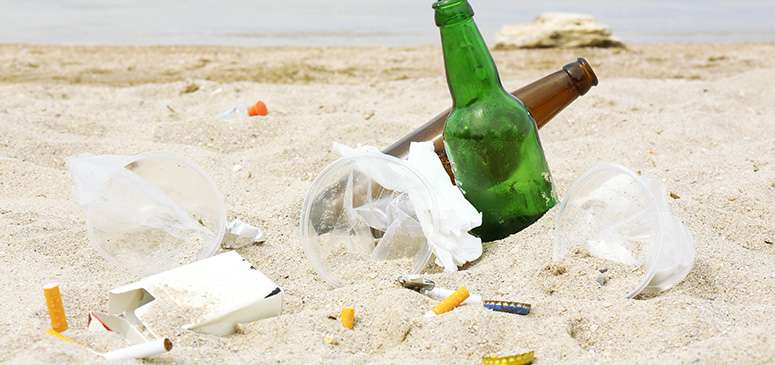
    Many glass bottles are tossed carelessly into bins, left in nature, or broken on streets and beaches. Instead of being recycled, they become sharp, dangerous fragments capable of causing injury to humans, animals, and even ecosystems.
  2. The Danger of Broken Glass
    • To Humans: A shattered bottle on a playground or sidewalk can pierce the skin of an unsuspecting passerby, causing cuts or infections.
    • To Animals: Wildlife often steps on broken glass, leading to painful injuries that can hinder their ability to hunt or escape predators.
    • To the Environment: Broken glass fragments can remain in the soil for thousands of years, disrupting plant growth and leaching into the ecosystem.
  3. Unresolved Hazards
    Bottles that still contain leftover liquids—like beer, sauces, or juices—can create breeding grounds for bacteria. Over time, the decomposition inside these bottles may produce toxins that further harm the environment.

A Simple Yet Effective Solution: Crushing

Thankfully, there’s a straightforward method to prevent these hazards: crushing glass bottles into small, unsharp pieces.

  1. How Crushing Works
    • A glass crushing machine processes discarded bottles, breaking them into small, smooth fragments that are no longer sharp or dangerous.
    • These fragments, also known as cullet, are easy to handle and pose no risk to humans, animals, or the environment.
  2. Why It’s Effective
    • Eliminates Hazards: Smooth glass pieces cannot cut or harm anyone.
    • Saves Space: Crushed glass takes up 80% less space, making it easier to store and transport.
    • Supports Recycling: Crushed glass is the perfect material for recycling, as it requires less energy to melt and reuse in making new products.
  3. Environmental Benefits
    • Reduces landfill waste.
    • Conserves natural resources by providing ready-to-recycle materials.
    • Prevents pollution and harm caused by broken or discarded bottles.

The Story of Change

Picture this: a busy restaurant generates dozens of empty glass bottles every day. Without a proper system in place, these bottles pile up in bins, taking up space and increasing the risk of accidents.

Now imagine the same restaurant equipped with a glass crushing machine. At the end of the day, all the used bottles are fed into the machine, crushed into smooth fragments, and neatly stored for recycling.

In this version of the story:

  • The restaurant stays clean and organized.
  • Staff and customers are safe from broken glass injuries.
  • The crushed glass is sent to recycling facilities, starting its journey to become new bottles, jars, or even building materials.

Let’s Rethink the End of the Bottle’s Journey

When glass bottles are crushed instead of left to shatter, they lose their potential to harm and gain a new purpose. This simple method transforms a waste problem into an opportunity for safety, efficiency, and sustainability.

By crushing glass bottles into harmless pieces, we protect humans, animals, and the planet—while ensuring that no bottle’s journey ends in harm.

by Ngo Quoc Vinh Ngo Quoc Vinh 219 Comments

The Hidden Responsibility: What Happens to Glass Packaging After Use?

Imagine a food company that prides itself on delivering high-quality products safely to consumers. Every jar of sauce, every bottle of juice, and every glass container of pickled vegetables is carefully sealed and packaged to ensure freshness and safety. These companies invest heavily in product protection, from the design of sturdy glass bottles to tamper-proof lids, ensuring that every item reaches customers in pristine condition.

But what happens to these glass containers after the product has been consumed?


A Commitment That Ends Too Soon

For food companies, their responsibility often ends the moment the product is purchased. While they excel at ensuring safety during production, transport, and retail, many fail to consider the environmental impact of their packaging once it leaves the consumer’s hands.

  1. Glass Bottles as the Safest Packaging
    Glass is widely regarded as a premium packaging material:

    • It doesn’t leach chemicals into food or beverages.
    • It provides an airtight seal to preserve product quality.
    • It is visually appealing and conveys a sense of luxury.

    These benefits make glass an ideal choice for food safety and consumer satisfaction.

  2. The Unspoken Transition
    However, once the product is consumed, the carefully crafted glass bottle becomes nothing more than waste. At this stage, the responsibility for managing that waste often shifts entirely to consumers or municipalities. Unfortunately, this unspoken transition leaves glass bottles in limbo, with no clear system in place to ensure they are properly recycled or disposed of.

The Afterlife of Glass Packaging

Here’s what typically happens to glass packaging after use:

  1. Household Waste
    Most consumers discard empty glass bottles in their general waste bins, especially if recycling services are not readily accessible. This sends the glass to landfills, where it can take up to a million years to decompose.
  2. Recycling Challenges
    In areas where recycling facilities exist, glass collection often faces these hurdles:

    • Contamination: Bottles still contain residual liquids like sauces or beer, making them unsuitable for recycling without extra cleaning.
    • Breakage: Broken glass can mix with other waste streams, rendering it non-recyclable.
  3. Environmental Impact
    Discarded glass waste contributes to:

    • Landfill overflow, taking up space that could be used for other types of waste.
    • Micro-pollution when broken fragments spread in the soil, harming ecosystems.
    • Carbon emissions from producing new glass instead of recycling existing materials.

The Role Food Companies Are Overlooking

Food companies put immense effort into ensuring their glass-packaged products are safe for consumers but fail to extend that responsibility to what happens after the bottle is emptied. Here’s why this gap in responsibility is problematic:

  1. Missed Opportunities
    • Food companies could invest in systems to ensure their glass packaging is collected, cleaned, and recycled. This would promote a circular economy, where materials are reused instead of discarded.
    • By failing to take action, these companies miss the chance to enhance their sustainability credentials and reduce their environmental footprint.
  2. Shifting the Burden
    • Passing the responsibility to consumers or local governments places an unfair burden on individuals and systems that are already stretched thin.
    • Many consumers are unaware of proper disposal methods, leading to unnecessary waste and environmental harm.
  3. Contradiction in Values
    • Companies that prioritize safety, quality, and care for their products but neglect post-consumer responsibility send mixed messages. Their commitment to sustainability appears superficial, undermining trust and brand reputation.

A Call to Action for Food Companies

To truly align with sustainability goals and build a legacy of responsibility, food companies must extend their care beyond the point of consumption. Here’s how they can take action:

  1. Implement Recycling Programs
    • Partner with environmental utility companies to create bottle return or recycling initiatives.
    • Provide incentives for customers to return empty glass containers, such as discounts or loyalty points.
  2. Educate Consumers
    • Include clear instructions on packaging about how to clean and recycle glass bottles.
    • Launch awareness campaigns highlighting the importance of recycling and the company’s role in sustainability.
  3. Adopt Circular Practices
    • Use glass crushing machines to process returned bottles into cullet, which can be used to make new glass containers.
    • Collaborate with recycling facilities to ensure collected glass waste is efficiently repurposed.
  4. Lead by Example
    • Be a pioneer in closing the loop on glass packaging waste. By taking responsibility for the full lifecycle of their products, companies can set a benchmark for sustainability in the food industry.

The Opportunity to Make a Difference

Food companies have the power to transform their glass packaging from a potential environmental hazard into a symbol of sustainability. By extending their responsibility beyond the point of sale, they can:

  • Reduce landfill waste.
  • Promote recycling and resource conservation.
  • Enhance their brand reputation as environmentally conscious leaders.

The story of glass packaging doesn’t have to end at the consumer’s trash bin. With the right initiatives, food companies can ensure their products are safe not only for consumers but also for the planet.

Let’s reimagine the future of glass packaging—because true responsibility doesn’t end at the sale; it continues until the last piece is recycled.

by Ngo Quoc Vinh Ngo Quoc Vinh 197 Comments

Revolutionizing Waste Management: How Glass Crushing Machines Empower Environmental Utility Companies

Environmental utility companies play a crucial role in managing the growing mountains of waste produced by modern society. Among the various types of waste they collect, glass bottles pose unique challenges: they are bulky, heavy, difficult to transport, and potentially hazardous when broken.

However, with the integration of glass crushing machines into their operations, these companies can overcome these challenges, turning glass waste into a valuable resource while enhancing efficiency and sustainability. Here’s a story of how these machines are transforming the way environmental utility companies handle and recycle waste.


The Problem with Glass Waste

Imagine an environmental utility company tasked with managing the waste of an entire city. Every day, they collect tons of empty glass bottles from homes, restaurants, bars, and businesses. While glass is recyclable, the traditional process of handling it is riddled with challenges:

  1. Bulkiness
    • Uncrushed glass bottles take up significant space in collection bins and trucks, leading to inefficiencies in transportation and storage.
  2. Safety Hazards
    • Broken bottles in waste streams can injure workers during collection and sorting.
  3. Logistical Challenges
    • Transporting heavy, bulky bottles to recycling facilities increases fuel consumption and greenhouse gas emissions.
  4. Underutilized Recycling Potential
    • Many glass bottles end up in landfills due to contamination, poor handling, or the high costs of recycling unprocessed glass.

Faced with these challenges, the utility company sought an innovative solution—and found it in glass crushing machines.


The Glass Crushing Solution

By incorporating glass crushing machines into their waste management system, the company was able to revolutionize the way they handled glass waste.

1. Volume Reduction

  • The machines crushed glass bottles into small, smooth pieces, reducing the volume of glass waste by up to 80%.
  • This allowed for more efficient use of storage space in collection trucks and waste facilities, enabling the company to collect and transport more waste in fewer trips.

2. Safer Handling

  • Crushed glass pieces are not sharp, eliminating the risk of injury to workers during collection and sorting.
  • The safety improvements helped the company comply with workplace safety regulations and protect its employees.

3. Easier Transportation

  • The compact, lightweight nature of crushed glass significantly reduced the weight and space required for transportation.
  • This lowered fuel consumption, reduced emissions, and cut transportation costs, making the entire waste management process more sustainable.

4. Facilitating Recycling

  • Crushed glass, also known as cullet, is highly desirable for recycling facilities because it requires less processing and melts at a lower temperature than raw materials.
  • The company was able to provide high-quality cullet to recycling partners, ensuring that more glass waste was recycled into new bottles, jars, and other products.

A Story of Success

After deploying glass crushing machines across their operations, the environmental utility company saw remarkable results:

  1. Increased Recycling Rates
    • The volume of glass waste sent to recycling facilities increased by 40%, helping to divert more waste from landfills.
  2. Reduced Transportation Costs
    • By reducing the number of trips needed to transport glass waste, the company saved 30% on fuel costs, cutting both expenses and emissions.
  3. Improved Worker Safety
    • Injuries caused by sharp glass fragments dropped to near zero, creating a safer workplace for waste management staff.
  4. Enhanced Environmental Impact
    • By recycling cullet instead of relying on virgin raw materials, the company helped conserve natural resources and reduced energy consumption in the glass manufacturing process.

A Broader Impact on the Industry

This success story highlights how glass crushing machines can empower environmental utility companies to tackle some of the most pressing challenges in waste management:

  1. Supporting a Circular Economy
    • Crushed glass can be easily reused and recycled, reducing the need for new resources and minimizing waste.
  2. Achieving Sustainability Goals
    • The efficiency gains from using glass crushing machines contribute directly to broader sustainability goals, including reducing greenhouse gas emissions and promoting zero-waste initiatives.
  3. Setting an Example
    • By integrating innovative solutions like glass crushing machines, the company became a role model for other utility providers, demonstrating how technology can enhance sustainability and operational efficiency.

The Future of Waste Management

As cities continue to grow and waste streams become more complex, the need for innovative solutions like glass crushing machines will only increase. These machines offer a practical, scalable, and environmentally friendly way for utility companies to manage glass waste, reduce their environmental footprint, and contribute to a more sustainable future.

By turning bulky, hazardous glass bottles into safe, recyclable materials, environmental utility companies are proving that waste can be more than just a problem—it can be an opportunity to build a cleaner, greener world.


Final Thoughts

If you’re an environmental utility company or waste management provider, consider the transformative power of glass crushing machines. They’re not just a tool for managing waste—they’re a step toward a more sustainable and efficient future